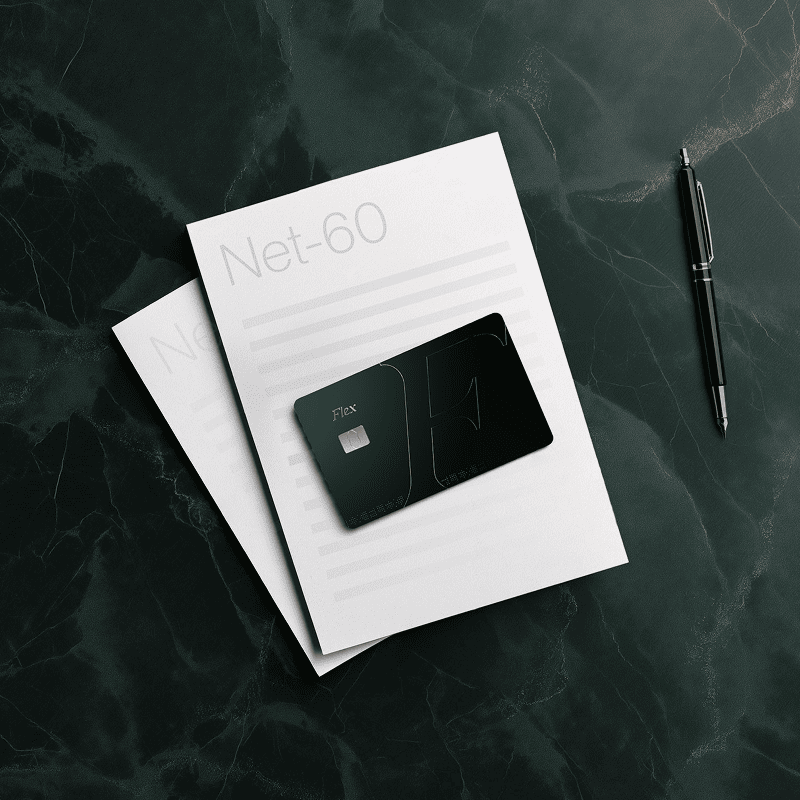



- Unsecured debt is borrowing that does not require collateral.
- Your business assets are not pledged or encumbered.
- Unsecured debt can preserve flexibility in your capital stack.
- It is often faster and simpler to implement than asset backed financing.
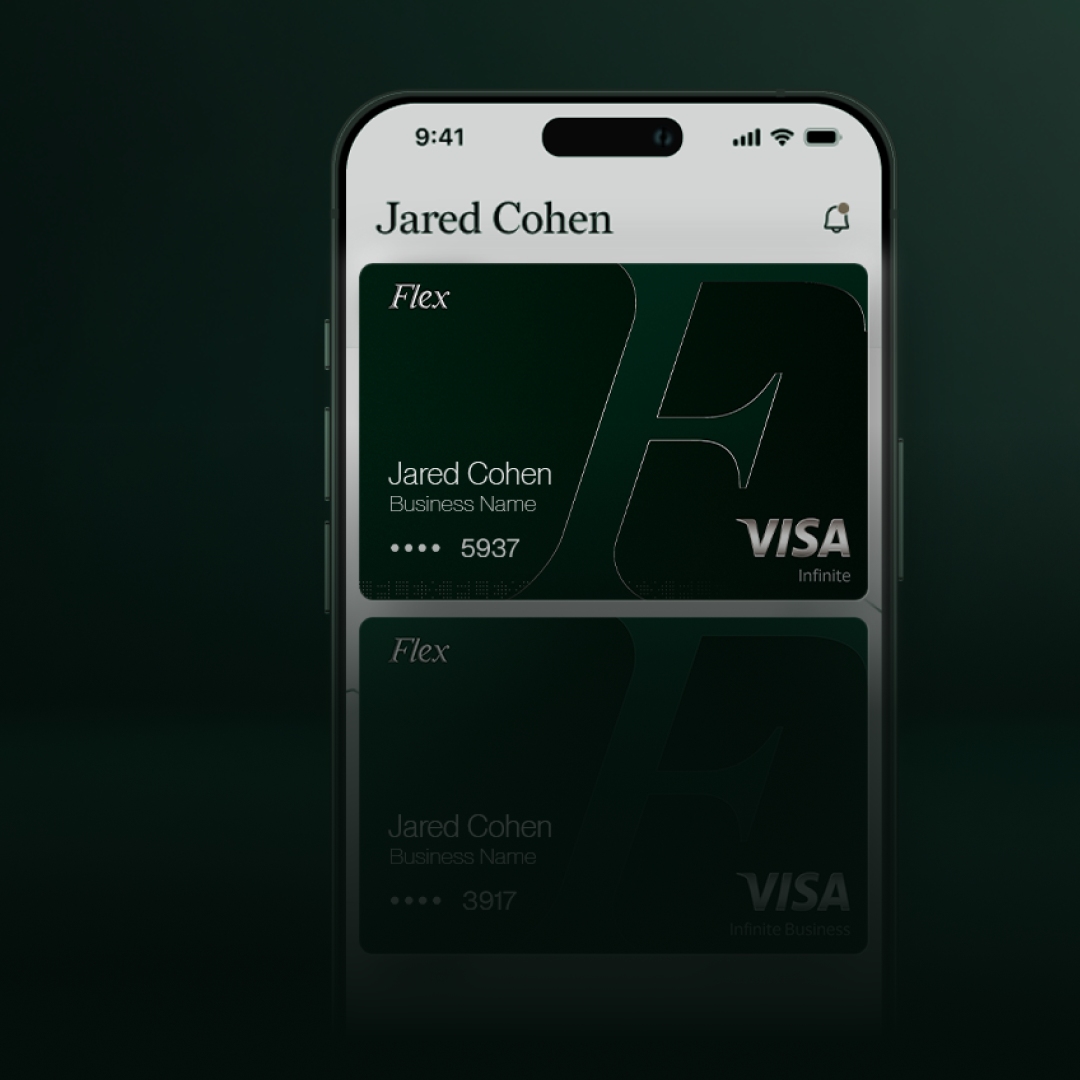
- The Flex net-60 credit card is an unsecured option that provides 60+ days of float without tying up collateral.
無担保債務とは何か、そしてなぜそれが重要なのか?
The following article is offered for informational purposes only, and is not intended to provide, and should not be relied on, for legal or financial advice. Please consult your own legal or accounting advisors if you have questions on this topic.
In my conversations with founders and finance leaders, one question comes up often and usually quietly:
What is unsecured debt and should I be using it in my business?
Debt is not inherently good or bad. It’s a structure. The real question is whether that structure works in your favor.
Unsecured debt, when used intentionally, can be one of the cleanest forms of leverage available to a growing company.
What is Unsecured Debt?
At its simplest, unsecured debt is money borrowed without putting up specific assets as collateral.
There is:
- No lien on your inventory
- No claim on your equipment
- No direct security interest in your receivables
- No asset pledged against the balance
When someone asks me what does unsecured debt mean in practical terms, I explain it this way:
It means your business is borrowing based on its financial strength and underwriting profile, not on a specific asset that can be seized.
The lender evaluates risk through your company’s performance, structure, and credit profile. Not through ownership of your physical or financial assets.
That distinction matters more than most operators realize.
Why Unsecured Debt Matters for Growing Businesses
Unsecured debt is often misunderstood because people associate security with safety. In lending, security refers to collateral. It doesn’t necessarily mean a better outcome for the borrower.
From a business owner’s perspective, unsecured debt offers several meaningful advantages.
1. Your Assets Stay Unencumbered
When you take on secured debt, you are pledging something of value. That could be:
- Inventory
- Equipment
- Property
- Receivables
With unsecured debt, those assets remain free.
This matters because:
- Future financing options stay open
- You avoid stacking multiple liens on core assets
- Your balance sheet remains cleaner
For companies planning to scale, raise capital, or add facilities later, preserving asset flexibility is often strategic.
2. Cleaner Capital Structure
Unsecured debt typically doesn’t interfere with senior banking relationships in the same way asset-backed facilities can.
It can:
- Sit alongside existing credit lines
- Support working capital needs
- Add flexibility without restructuring primary facilities
For operators who already have established banking relationships, this is important. You gain additional leverage without overcomplicating your capital stack.
3. Non Dilutive Growth
Equity is expensive. It requires giving up ownership and long term upside.
Unsecured debt, when used responsibly, allows companies to:
- Extend runway
- Invest in growth initiatives
- Smooth short term cash flow gaps
All without dilution.
The key is discipline. Debt should support revenue generating activity or operational efficiency, not mask structural issues.
4. Speed and Simplicity
Asset backed lending often involves:
- Appraisals
- Collateral documentation
- Ongoing compliance and reporting
- Legal complexity
Unsecured products are typically more streamlined. Approval is based on underwriting rather than asset valuation.
In fast moving environments, speed is not a luxury. It is a requirement.
Where Flex Net-60 Fits In
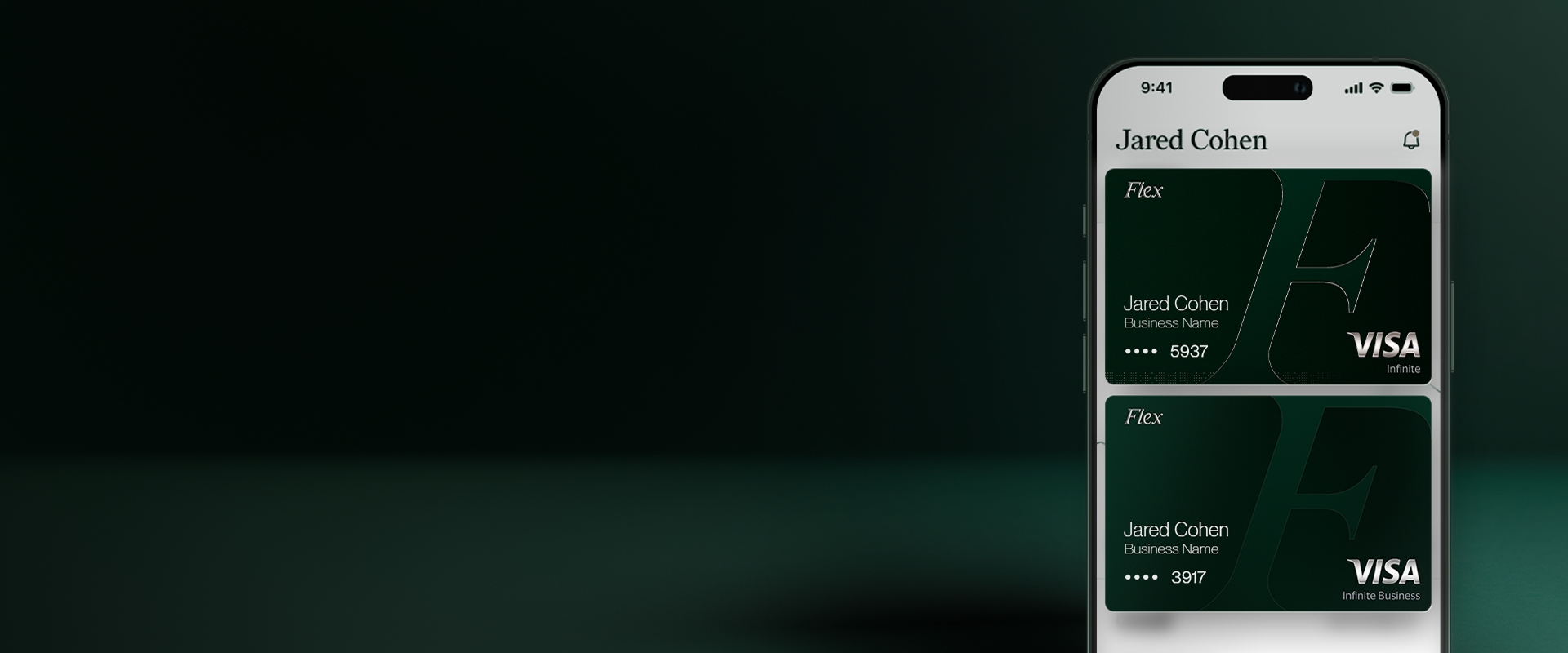
Flex offers a net-60 business credit card that provides unsecured debt.
That structure is intentional.
With Flex net-60:
- No specific assets are pledged as collateral
- There is no need to encumber inventory or receivables
- Businesses receive up to 60 days of float
In practice, this means companies can:
- Pay vendors today
- Preserve operating cash
- Align expenses more closely with incoming revenue
For example:
- A company investing in marketing can fund campaigns now and settle balances once revenue cycles catch up.
- An ecommerce brand can manage inventory purchases without immediately draining liquidity.
- A services firm can bridge the gap between payroll and client payments.
Because the facility is unsecured, it doesn’t tie up the underlying assets driving the business.
That flexibility is often the difference between reactive cash management and intentional capital strategy.
What Does Unsecured Debt Mean in Real Terms?
When founders hear the word debt, they often focus on risk.
In reality, unsecured debt shifts the conversation from asset risk to operational performance.
You are not risking a specific piece of property. You are making a calculated decision about cash flow timing.
That shift creates space.
Instead of asking, “what happens to my assets if something goes wrong,” the better question becomes:
“How can I structure my obligations to support growth without sacrificing control?”
Unsecured debt, particularly short-term working capital tools like net-60, can answer that question.
When Unsecured Debt Makes the Most Sense
Unsecured debt is especially effective when:
- Revenue is predictable
- Cash flow timing gaps exist
- Growth opportunities require near term capital
- Ownership wants to avoid dilution
- Asset flexibility is a priority
It’s less about borrowing more and more about borrowing 賢く.
目的はレバレッジそのものではなく、オプショナリティです。
まとめ
無担保債務は無謀さではなく、仕組みに関するものです。
慎重に活用すれば、企業は資産の管理を維持し、所有権を保持し、より高い流動性で事業を運営することができます。
Flex net-60はその原則に基づいて構築されています。事業の妨げになるのではなく、事業と共に動くように設計された無担保運転資金を提供します。
成長局面においては、時間と柔軟性が戦略的資産となります。適切な形態の債務は、その両方を保護するべきです。
Flexの無担保ネット60クレジットカードを活用する準備はできていますか?ぜひお問い合わせください。
©2025 Flexbase Technologies, Inc. 全ての権利を留保します。Flex製品は全てのお客様にご利用いただけない場合があります。詳細についてはFlex利用規約をご覧ください。規約は変更される場合があります。
Flexbase Technologies, Inc. (Flex) は金融テクノロジー企業であり、銀行ではありません。Flexビジネス・クレジットカードは、Visa U.S.A. Inc.からのライセンスに基づき、リード銀行が発行しており、適格な法人のお客様のみご利用いただけます。手数料および利用規約が適用されます。申請者には資格要件が適用されます。



.png)

.png)






.png)